Overview of Bodyweight Training PDFs
Discover how a well‑structured bodyweight training pdf can transform your routine. It offers clear progression charts, exercise variations, and weekly plans, enabling beginners to safely advance while seasoned athletes refine technique. Download and start building strength today. Tailored for fitness levels, it includes recovery tips.!!!!!
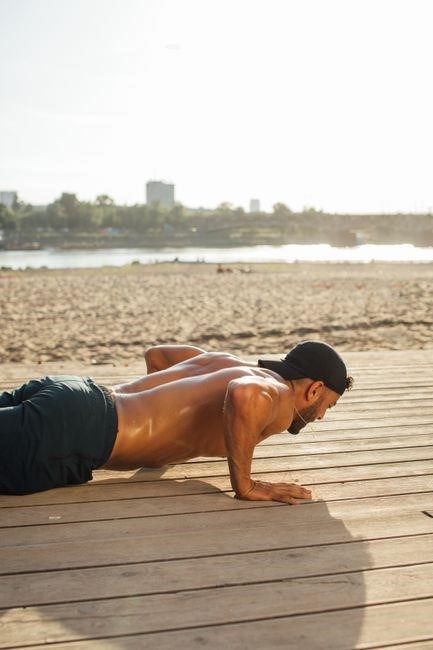
Historical Context and Evolution of Bodyweight Training
Bodyweight training has roots that stretch back to ancient civilizations, where athletes used their own mass to develop strength, agility, and endurance. In classical Greece, the gymnasium was a hub for exercises such as the push‑up, squat, and pull‑up, all performed without equipment. These movements were integral to the Olympic training regimen and were documented by writers like Xenophon and Pausanias, who described the importance of body control and balance.
During the Renaissance, physical culture experienced a revival, with scholars like Martial and later the 19th‑century proponents of gymnastics, such as Friedrich Ludwig Jahn, formalizing bodyweight routines. Jahn’s “Turnverein” clubs introduced systematic drills that emphasized rhythmic movement and calisthenics, laying groundwork for modern fitness practices.
The 20th century saw a surge in popularity as military training incorporated calisthenics for rapid conditioning. World War II and subsequent conflicts highlighted the need for portable, equipment‑free workouts, leading to widespread adoption in training manuals and military handbooks. Post‑war, the fitness boom of the 1960s and 1970s popularized bodyweight routines in public parks and community centers.
With the advent of the internet, the discipline entered a digital age. Online forums, YouTube tutorials, and downloadable guides proliferated, bodyweight training PDF emerged as a convenient format for structured programs, allowing users to print or view plans on PDF. These PDFs often include progression charts, exercise variations, and weekly schedules, bridging the gap between traditional coaching and self‑directed practice. PDF Enjoy progress daily with consistency.
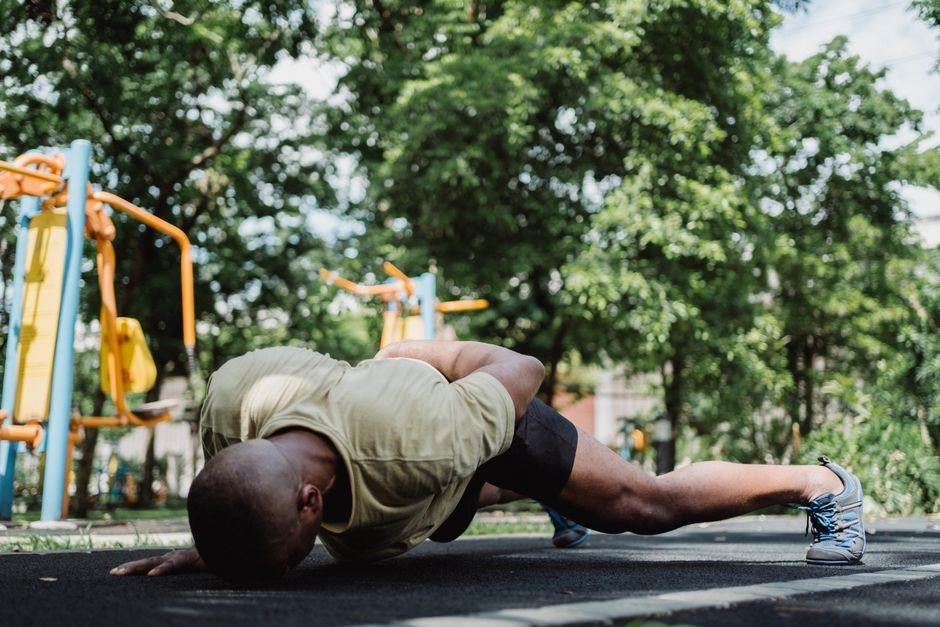
Essential Components of a Bodyweight Training PDF
A comprehensive bodyweight training pdf should contain several core elements that together provide a clear, progressive, and adaptable framework for users of all levels. First, a concise introduction that outlines the philosophy behind calisthenics, the benefits of bodyweight training, and the goals of the program. Next, a detailed exercise library with high‑quality images or diagrams, including primary movements (push‑ups, pull‑ups, squats, dips, planks) and their progression variants (incline, decline, one‑arm, weighted). Each exercise entry should list muscle groups targeted, correct form cues, common mistakes, and recommended sets and reps for beginners, intermediates, and advanced users. A structured weekly schedule follows, typically divided into phases (e.g., hypertrophy, strength, conditioning) and days of the week, with clear warm‑up, main workout, and cool‑down sections. Progression charts or tables that show how to increase difficulty—by adding reps, sets, or moving to a harder variation—are essential for users to track growth. The pdf should also include a recovery guide covering sleep, hydration, stretching, and active rest, as well as a nutrition outline that aligns macronutrient intake with training intensity. Finally, a progress‑tracking sheet or template allows users to log workouts, note perceived exertion, and set new goals. Together, these components create a user‑friendly, evidence‑based resource that empowers individuals to build strength, mobility, and confidence using only their body weight. The inclusion of a quick reference cheat sheet with key metrics—like target heart rate zones, rep ranges, and progression milestones—enables users to stay on track without sifting through dense text. Readers can also access a downloadable checklist that summarizes daily warm‑ups, core exercises, and cooldown stretches, ensuring consistency and preventing neglect of critical movement components for optimal performance. Daily. Now
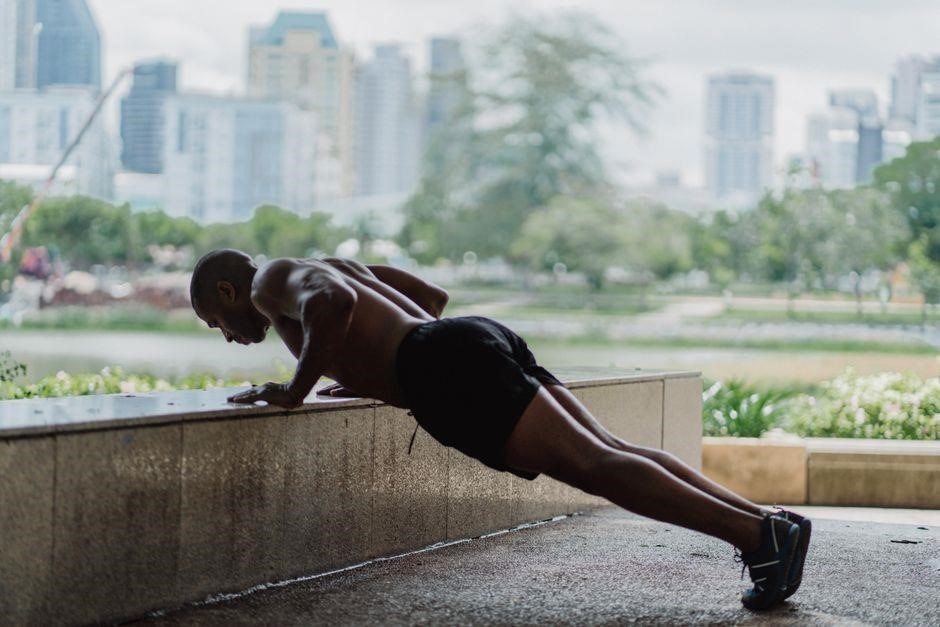
Exercise Categories and Movement Patterns
Bodyweight training pdfs often organize exercises into fundamental movement patterns that mirror natural biomechanics. These categories—push, pull, squat, hinge, core, plyometric, and mobility—serve as building blocks for balanced development.
- Push: Chest, shoulders, triceps. Variations include standard push‑ups, diamond, archer, and pseudo‑planche.
- Pull: Back, biceps, forearms. Progressions span from assisted pull‑ups to muscle‑ups and one‑arm pull‑ups.
- Squat: Quadriceps, glutes, calves. Forms range from bodyweight squats to pistol squats and jump squats.
- Hinge: Hamstrings, glutes, lower back. Exercises such as bodyweight deadlifts, hip thrusts, and glute bridges emphasize posterior chain activation.
- Core: Abdominals, obliques, lower back. Planks, hollow holds, V‑ups, and dragon flags target stability and strength.
- Plyometric: Explosive power. Box jumps, burpees, and clapping push‑ups elevate heart rate and muscular power.
- Mobility: Flexibility and joint health. Dynamic warm‑ups, hip circles, and shoulder dislocations prepare the body for load.
Each movement pattern is paired with a progression ladder in the pdf, allowing users to scale difficulty by adjusting tempo, range of motion, or adding external resistance. This systematic approach ensures that beginners acquire proper form before advancing to more complex variations, while seasoned practitioners can fine‑tune intensity through tempo manipulation or unilateral emphasis. Nice job.
Program Structure: Weekly Layout and Phases
Bodyweight training pdfs typically organize a program into distinct phases—accumulation, intensification, and deload—each spanning two to four weeks. The weekly layout follows a 3‑day split (e.g., Monday, Wednesday, Friday) with a rest or active recovery day in between. Each session targets the six core movement patterns, cycling through push, pull, squat, hinge, core, and plyometric work.
- Accumulation Phase (Weeks 1‑2): Focus on volume and form. Perform 3–4 sets of 12–15 reps for each exercise, keeping tempo moderate (2‑0‑2). Emphasize full range of motion and controlled eccentric phases.
- Intensification Phase (Weeks 3‑4): Increase intensity by reducing reps (8–10) and adding tempo variations (3‑0‑1). Introduce advanced variations such as archer push‑ups, pistol squats, and explosive pulls.
- Deload Phase (Week 5): Light volume (2 sets of 10–12) and focus on mobility drills. This week serves to recover while maintaining neural drive.
Each week includes a progression chart that maps exercise difficulty, tempo, and rest intervals. The pdf also recommends periodization markers—such as perceived exertion scores and heart‑rate zones to help users adjust load without overtraining. By following this structured layout, trainees can systematically build strength, power, and endurance while minimizing injury risk.
The PDF also includes a warm‑up routine, cool‑down sequence, and troubleshooting guide for common movement faults. It offers a printable progress log, QR code linking to instructional videos, and a community forum link for peer support. This holistic approach ensures steady progression and consistency.
Progression and Difficulty Scaling Techniques
Bodyweight training pdfs employ a systematic progression model that blends volume, intensity, and skill complexity. The first step is establishing a baseline: perform each core exercise (push‑ups, pull‑ups, squats, dips, lunges, planks, and burpees) for 3 sets of 10 reps, noting the RPE (1‑10). Once the baseline is achieved, the program introduces a 3‑phase scaling system.
- Phase 1 – Volume Accumulation: Increase total reps by 20% each week while maintaining form. Add a 4th set for exercises that feel comfortable, and incorporate tempo variations (2‑0‑2) to enhance time‑under‑tension.
- Phase 2 – Intensity Amplification: Reduce reps to 8–10 per set, but introduce advanced variations such as archer push‑ups, one‑legged squats, and explosive pull‑ups. Use a tempo of 3‑0‑1 to build power.
- Phase 3 – Skill Mastery: Focus on mastering complex movements like muscle‑ups, planche progressions, and human flag holds. Reps drop to 5–6, with a 2‑0‑2 tempo, and rest intervals extend to 90 seconds.
Progression is tracked via a printable log that records sets, reps, tempo, and RPE. The pdf also offers a “Progression Ladder” chart: if an exercise is completed with an RPE below 7, the next week’s variation is advanced; if RPE is above 8, the same variation repeats with a slight tempo change. This adaptive approach ensures continuous overload while preventing plateaus.
For beginners, the pdf recommends starting with the “Basic” column of each exercise, then moving to “Intermediate” once the baseline is met. Advanced users can skip directly to “Advanced” or “Expert” columns, provided they pass a skill assessment embedded in the PDF. The program also includes a “Deload” week every fourth week, where volume is reduced to 50% and focus shifts to mobility and active recovery.
Finally, the pdf integrates a “Skill‑Based Progression” section that encourages users to add a new skill (e.g., handstand, pistol squat) every two weeks, ensuring balanced development across strength, mobility, and coordination.
Sample 8-Week Bodyweight Workout Plan
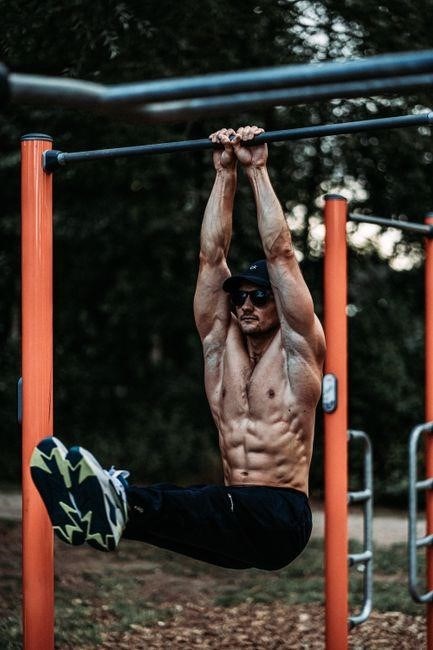
Week 1–2 focus on foundational strength. Perform 3 sets of 12 push‑ups, 10 pull‑ups, 15 squats, 12 dips, 20 lunges per leg, 60‑second plank, and 30 burpees. Rest 60 s between sets. Repeat on Day 1, 3, 5.
Week 3–4 introduce tempo and volume. Push‑ups 4 sets of 15 (2‑0‑2), pull‑ups 4 sets of 8, squats 4 sets of 20, dips 4 sets of 10, lunges 4 sets of 18, planks 90 s, burpees 40. Add a 30‑second pause at the bottom of each movement.
Week 5–6 shift to intensity. Push‑ups 5 sets of 10 (3‑0‑1), pull‑ups 5 sets of 6, squats 5 sets of 15, dips 5 sets of 8, lunges 5 sets of 15, planks 120 s, burpees 50. Include one explosive jump at the end of each set.
Week 7–8 add skill progression. Push‑ups 6 sets of 8 (archer variation), pull‑ups 6 sets of 5 (one‑arm partial), squats 6 sets of 12 (pistol progression), dips 6 sets of 6, lunges 6 sets of 12, planks 150 s, burpees 60. Finish each day with a 5‑minute mobility routine.
Use the printable PDF log to track sets, reps, RPE, and rest. Adjust volume if RPE >8 or reduce if <5. Rest days on 2, 4, 6, and 8. Hydrate, sleep 7‑9 h, and consume protein within 30 min post‑workout. This plan aligns with the latest calisthenics research and offers a clear, progressive pathway for all levels.
Adding mobility drills and core work boosts joint health, reduces injury risk,!! supports adherence!!.
Nutritional Guidance and Recovery for Bodyweight Training
Optimal nutrition fuels movement and repairs muscle. A 30% protein, 40% carb, 30% fat split matches most bodyweight training pdfs. Protein 1.2–1.6 g/kg daily, spread over 4–5 meals.
Meal timing is critical. Consume protein‑carb combo within 30 min post‑workout to maximize glycogen and muscle synthesis. Pre‑training meals should be moderate, low‑fiber, and easily digestible.
Hydration directly affects strength. Aim 35–40 mL water per kg body weight daily, add 500 mL on intense days. Include electrolytes to replace sweat losses.
Recovery goes beyond rest. Sleep 7–9 h nightly for hormone release. Active recovery like walking, yoga, or mobility drills improves circulation and reduces stiffness.
Supplements fill gaps. Creatine 5 g daily boosts power. BCAAs before or during workouts reduce soreness. A multivitamin and omega‑3 support immunity and inflammation.
Track recovery with HRV, fatigue scores, and performance. Low HRV or high exertion signals need for rest or reduced load. Adjust volume to prevent overtraining.
Mind‑body connection matters. Incorporate breathing techniques, focus on form, and use overload cues to ensure progression and reduce injury risk.
Use a bodyweight training pdf to log workouts, note perceived effort, and adjust load. Consistency, patience, and overload are keys to success.
Long‑term success in bodyweight training pdfs hinges on consistency, progressive overload, and recovery. Aim for 3–4 training days per week, incorporate mobility, and track progress with a simple log. Prioritize sleep, nutrition, and listen to your body to avoid overtraining and stay injury‑free daily.
Variations and Modifications for All Levels
Bodyweight training pdfs provide adaptable routines. They match movement difficulty to capacity while preserving core mechanics. for all levels now!!
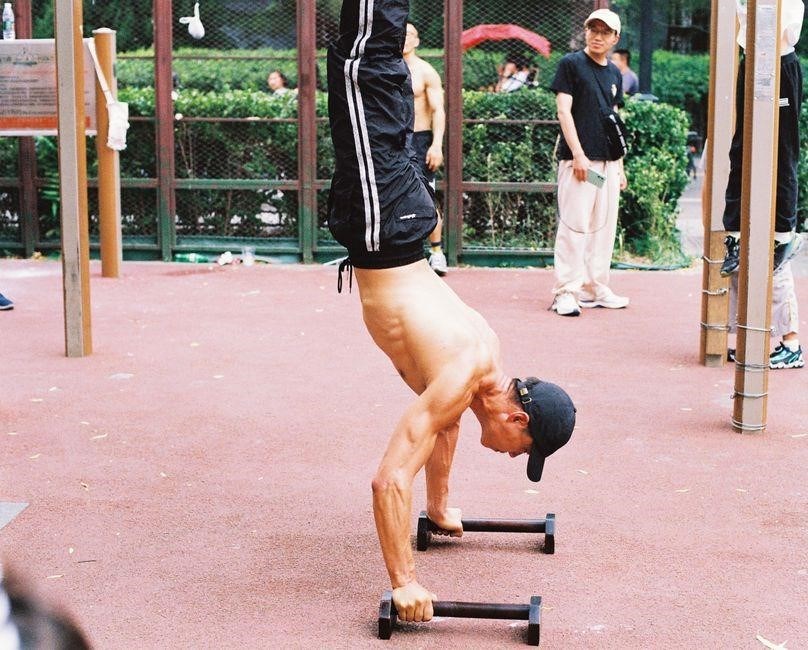
- Push‑type movements: Standard push‑ups, knee push‑ups, incline push‑ups, decline push‑ups, archer push‑ups, one‑arm push‑ups, pseudo‑planche push‑ups.
- Pull‑type movements: Standard pull‑ups, Australian pull‑ups, chin‑ups, one‑arm Australian pull‑ups, weighted pull‑ups, muscle‑ups, front‑lever pull‑ups.
- Leg‑type movements: Air squats, pistol squats, Bulgarian split squats, jump squats, shrimp squats, deep box jumps, single‑leg deadlifts.
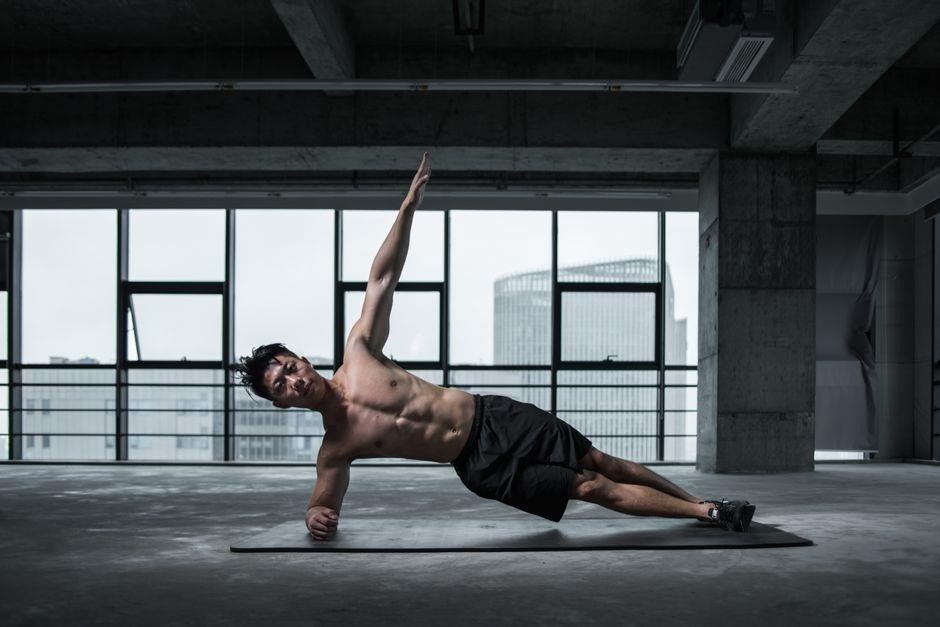
- Core‑type movements: Plank, side plank, hollow body hold, V‑up, L‑sit, dragon flag, human flag.
Progression is linear: start with the simplest form, master it, then add range or load. For example, a beginner may begin with a knee push‑up, progress to a full push‑up, and eventually to a one‑arm push‑up. Each step should be held for 3–5 reps, 3–4 sets.
Modifications keep training balanced. If a movement feels demanding, reduce load with a band or less range. If it feels easy, add a weighted vest or slow the eccentric phase.
Variations in a bodyweight training pdf empower users to self‑adjust. Include clear diagrams, cue words, and a progression chart so each can track progress from beginner to advanced.

Progress Tracking and Performance Metrics
Tracking progress in a bodyweight training pdf is essential for motivation and measurable growth. The document should feature a simple yet comprehensive log system that records sets, reps, and perceived effort for each exercise. By consistently noting these details, users can spot trends, identify plateaus, and adjust intensity accordingly.
To make tracking actionable, the pdf should include a weekly summary table. Users can record total volume (sets × reps × bodyweight) and compare it week‑to‑week. A simple color‑coding system—green for progression, yellow for maintenance, red for regression—helps visualize status at a glance. Additionally, a personal best column encourages incremental improvement.
Beyond volume, qualitative metrics such as perceived exertion (RPE 1‑10) and heart‑rate zones provide depth. The pdf can prompt users to rate each set, noting fatigue or form issues. Tracking RPE alongside reps reveals whether intensity is truly increasing or merely volume. Heart‑rate monitoring during cardio segments helps ensure aerobic thresholds are met.
Many pdfs now integrate QR codes linking to digital trackers or spreadsheets. This hybrid approach lets users import raw data into apps like Google Sheets, where advanced analytics can be applied. Visual graphs of volume, RPE, and heart‑rate trends aid in long‑term planning and keep motivation high.
By embedding these tracking tools within a single bodyweight training pdf, athletes gain a clear, actionable roadmap. Consistent logging turns subjective effort into objective data, enabling smarter periodization and faster gains. Embrace the habit, and let the numbers guide your next rep
Remember to revisit your log weekly; adjustments can lead to big gains
Tracking progress in a bodyweight training pdf is essential for motivation and measurable growth. The document should feature a simple yet comprehensive log system that records sets, reps, and perceived effort for each exercise. By consistently noting these details, users can spot trends, identify plateaus, and adjust intensity accordingly.
To make tracking actionable, the pdf should include a weekly summary table. Users can record total volume (sets × reps × bodyweight) and compare it week‑to‑week. A simple color‑coding system—green for progression, yellow for maintenance, red for regression—helps visualize status at a glance. Additionally, a personal best column encourages incremental improvement.
Beyond volume, qualitative metrics such as perceived exertion (RPE 1‑10) and heart‑rate zones provide depth. The pdf can prompt users to rate each set, noting fatigue or form issues. Tracking RPE alongside reps reveals whether intensity is truly increasing or merely volume. Heart‑rate monitoring during cardio segments helps ensure aerobic thresholds are met.
Many pdfs now integrate QR codes linking to digital trackers or spreadsheets. This hybrid approach lets users import raw data into apps like Google Sheets, where advanced analytics can be applied. Visual graphs of volume, RPE, and heart‑rate trends aid in long‑term planning and keep motivation high.
By embedding these tracking tools within a single bodyweight training pdf, athletes gain a clear, actionable roadmap. Consistent logging turns subjective effort into objective data, enabling smarter periodization and faster gains. Embrace the habit, and let the numbers guide your next rep
Remember, consistency beats intensity. Log each session, rest days, and subjective fatigue. A simple habit of marking “completed” or “skipped” keeps the plan honest. If a move feels too hard, use a progression cue or a lighter variation; if it’s too easy, add tempo or pause. This adaptive mindset fuels steady gains.
Track your data, stay consistent. And progress.
Advanced Bodyweight Movements for Experienced Practitioners
For seasoned athletes, a bodyweight training pdf can be a gateway to mastering high‑level calisthenics. The key lies in progressive overload, skill acquisition, and meticulous form. Below are advanced movements that push the limits of strength, balance, and coordination.
- Planche – A horizontal body‑weight hold that demands extreme core, shoulder, and wrist stability. Begin with tuck planche progressions, then advance to straddle and full planche; The pdf should outline a week‑by‑week plan, incorporating isometric holds, dynamic planche push‑ups, and negative repetitions.
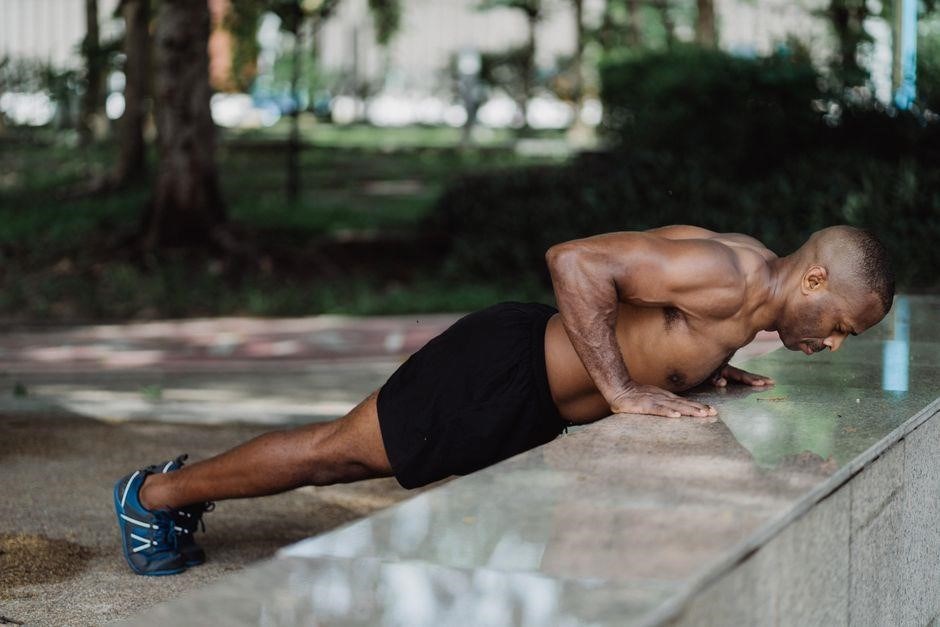
- One‑Arm Push‑Up – This unilateral push‑up isolates the pectoral and triceps, requiring significant core engagement. Start with assisted variations (knees or elevated feet) before progressing to full range. The pdf can provide a progression ladder, including weighted one‑arm push‑ups and dynamic hand‑stand push‑ups.
- Pistol Squat – A single‑leg squat that tests balance, hip flexibility, and quadriceps strength. The pdf should detail assisted pistol squats using support poles, box pistols, and eventually free‑standing pistols. Include depth progression and negative reps for strength building.
- Muscle‑Up – Combining a pull‑up and dip into a single explosive movement. The pdf should break down the transition phase, emphasizing a powerful pull, a controlled dip, and a lock‑out. Include kipping and strict variations, as well as negative muscle‑ups for beginners.
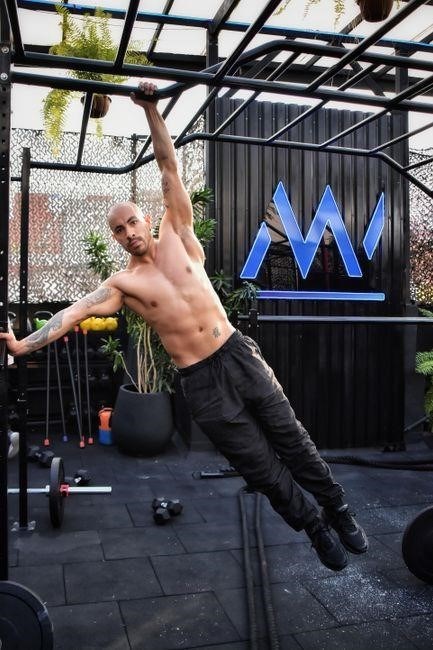
- Human Flag – A vertical hold that requires exceptional lat and core strength. The pdf should recommend a progression from flag holds on a pole to side‑flag and full flag. Emphasize wrist conditioning and core bracing.
- Front Lever – A horizontal body‑weight hold that targets the entire posterior chain. The pdf can outline tuck, advanced tuck, straddle, and full front lever progressions, with emphasis on scapular retraction and core bracing.
Each movement should be paired with a periodized plan: 4‑week blocks focusing on strength, 2‑week blocks on skill refinement, and 1‑week deloads. The pdf should also provide a recovery protocol, including mobility drills, foam rolling, and adequate protein intake. By following a structured, progressive pdf, athletes can safely transition from intermediate to elite bodyweight performance.
Resources and Locations for Downloading Bodyweight Training PDFs
Finding a reliable source for a bodyweight training pdf can be a game‑changer. Below is a curated list of reputable sites that offer free, high‑quality downloads, as well as premium options for those seeking advanced plans. Each link is vetted for up‑to‑date content, clear instruction, and community support.
- Bodybuilding.com – The free “Bodyweight Training Guide” PDF includes a 12‑week program, exercise videos, and printable progress sheets.
- Reddit r/Bodyweight – Members frequently share self‑created PDFs. The “Bodyweight Training PDF” subreddit thread hosts a rotating collection of beginner, intermediate, and advanced plans.
- Calisthenics Wiki – A community‑driven wiki that hosts downloadable PDFs for specific skill progressions (e.g., planche, muscle‑up).
- Freeletics – The app’s free tier includes a bodyweight training PDF with daily workouts and nutrition tips.
- StrongFirst – Known for strength training, they provide a free PDF on bodyweight conditioning that focuses on mobility and core stability.
- GitHub Repositories – Search “bodyweight training pdf” on GitHub; many contributors host open‑source workout plans with version control.
- Google Drive Public Folders – Several fitness educators share PDFs via public Google Drive links. Use the search term “bodyweight training pdf” and filter by recent uploads to ensure current training principles.
When downloading, verify that the PDF includes clear exercise names, progression charts, recovery and nutrition guidelines, and printable tracking sheets. Respect copyright and share responsibly!!