Request for Tenancy Approval Instructions: A Comprehensive Guide
Navigating the RFTA process is crucial for landlords and tenants. Submissions require 24-48 hours for review, with a 7-business-day window for move-in inspections following approval.
Understanding Tenancy Agreements
Tenancy agreements form the bedrock of the landlord-tenant relationship, functioning as legally binding contracts outlining the rights and responsibilities of both parties. While a written agreement is highly recommended and often required, the Residential Tenancies Act 1986 provides a framework even in the absence of a formal document. This ensures basic protections for tenants and clarifies landlord obligations regardless.
The agreement’s effectiveness begins on the stated start date and continues until the tenancy concludes. Utilizing a current, regularly updated residential tenancy agreement template is a prudent step for landlords. Crucially, the Request For Tenancy Approval (RFTA) process hinges on a clear understanding of these agreements. A well-defined agreement streamlines the RFTA review, minimizing potential delays.
Landlords should familiarize themselves with the specific requirements of their local Housing Authority, as these often intersect with the terms of the tenancy agreement. A solid agreement, coupled with a smooth RFTA submission, fosters a positive and legally sound tenancy.
The Role of the Residential Tenancies Act 1986
The Residential Tenancies Act 1986 serves as the foundational legal framework governing landlord-tenant interactions, even when a written tenancy agreement is absent. This Act establishes fundamental rights and obligations for both parties, ensuring a degree of fairness and clarity in rental arrangements. It dictates procedures for handling disputes, outlining acceptable practices for rent increases, property maintenance, and eviction processes.
Regarding the Request for Tenancy Approval (RFTA) process, the Act indirectly influences compliance. Housing Authorities often reference the Act’s provisions when evaluating RFTA submissions and ensuring properties meet minimum habitability standards. Understanding the Act’s stipulations regarding property condition is vital for landlords seeking RFTA approval.
While the Act doesn’t directly dictate the RFTA process itself, it underpins the principles of safe and lawful housing that the process aims to uphold. Landlords must be aware of their responsibilities under the Act to avoid potential complications during RFTA review and subsequent inspections.
Written vs; Unwritten Agreements
While a written tenancy agreement is strongly recommended, the Residential Tenancies Act 1986 acknowledges the validity of unwritten, or verbal, agreements. However, proving the terms of an unwritten agreement can be challenging in case of disputes. A clear, documented agreement simplifies the RFTA process, providing readily available evidence of tenancy details.
For RFTA submissions, a written agreement is often required by Housing Authorities. It streamlines verification of key information like rent amount, lease duration, and tenant responsibilities. Without a written agreement, landlords may face delays or rejection of their RFTA application.
The absence of a written agreement doesn’t invalidate the tenancy, but it places a greater burden on both parties to demonstrate compliance with the Act and the terms agreed upon. Landlords should prioritize obtaining a signed tenancy agreement to facilitate a smooth RFTA process and protect their interests.

The Request for Tenancy Approval (RFTA) Process
The RFTA initiates Housing Authority review, demanding complete packets for timely processing. Approval unlocks move-in inspection scheduling, typically within seven business days post-submission.

What is an RFTA?
The Request for Tenancy Approval (RFTA) is a pivotal document within the Housing Choice Voucher Program. It serves as the formal request submitted by a prospective tenant to the Housing Authority (HA) seeking approval to utilize their voucher at a specific property. Essentially, it’s the starting point for the HA’s involvement in a new tenancy.
This form isn’t merely a formality; it triggers a crucial review process. The HA assesses whether the proposed rental unit meets the necessary Housing Quality Standards (HQS) and if the proposed rent is reasonable. A properly completed RFTA packet initiates this evaluation, allowing the HA to determine if the voucher can be applied to that particular rental agreement.
Without a successfully approved RFTA, voucher holders cannot legally utilize their assistance at the chosen property. Therefore, understanding the RFTA’s purpose and ensuring its accurate completion are paramount for both tenants and landlords seeking a smooth and compliant tenancy experience.
Submitting the RFTA Packet
Successfully submitting the RFTA packet is the cornerstone of a timely tenancy approval. The packet typically includes the completed RFTA form, a copy of the proposed lease agreement, and potentially other supporting documentation as required by the specific Housing Authority (HA). It’s crucial to meticulously gather all necessary items before submission.
The method of submission varies by HA; some accept electronic submissions, while others require physical delivery. Regardless of the method, retaining proof of submission is highly recommended. Upon receipt, the HA will initiate a review process, typically within 24-48 hours.
However, incomplete packets will inevitably cause delays, potentially leading to cancellation of the relocation process. Therefore, double-checking for accuracy and completeness before submitting is paramount. A well-prepared RFTA packet demonstrates professionalism and expedites the approval process for all parties involved.
RFTA Processing Timeframes (24-48 Hours)
Understanding the RFTA processing timeframe is vital for effective planning. Generally, Housing Authorities (HAs) aim to review and process submitted RFTA packets within a 24-to-48-hour window. This timeframe begins after a complete and accurate packet has been received. It’s important to note this is an estimated timeframe and can be subject to variations based on workload and individual HA policies.
During this period, HA staff will verify the information provided, assess the proposed lease agreement, and confirm eligibility criteria are met. Any discrepancies or missing information will trigger a request for clarification, extending the processing time.
Proactive submission of a complete packet is key to avoiding delays. While the HA strives to adhere to the 24-48 hour timeframe, external factors can occasionally impact processing speed. Patience and clear communication are recommended throughout the process.
Consequences of Incomplete RFTA Packets
Submitting a complete Request for Tenancy Approval (RFTA) packet is paramount to a smooth relocation process. Incomplete submissions invariably lead to delays, potentially jeopardizing the entire process. The Housing Authority (HA) will not proceed with review until all required documentation is received.
Specifically, missing information triggers a request for resubmission, adding significant time to the approval timeline. Repeated incomplete submissions can ultimately result in cancellation of the RFTA, forcing a restart of the application process. This can be particularly disruptive for both tenants and landlords.
Carefully review the HA’s checklist before submitting. Ensure all sections are fully completed, and all required supporting documents are attached. A thorough check minimizes the risk of delays and ensures a more efficient approval process. Prioritize accuracy and completeness to avoid preventable setbacks.
RFTA Approval and Move-In Inspection Scheduling (7 Business Days)
Upon successful RFTA approval, the Housing Authority (HA) initiates the scheduling of the initial move-in inspection. This crucial step ensures the property meets Housing Quality Standards (HQS) before occupancy. Landlords should anticipate a timeframe of 7 business days for this scheduling process to commence.
During this period, the HA will contact the landlord to coordinate a mutually convenient inspection date and time; Prompt responsiveness to the HA’s communication is vital to expedite the scheduling. The inspection assesses the property’s safety, sanitation, and overall condition.

Preparation is key. Address any potential HQS deficiencies beforehand to avoid failed inspections and subsequent delays. A successful inspection is a prerequisite for final tenancy approval and voucher disbursement. Timely scheduling and preparation contribute to a seamless transition for all parties involved.
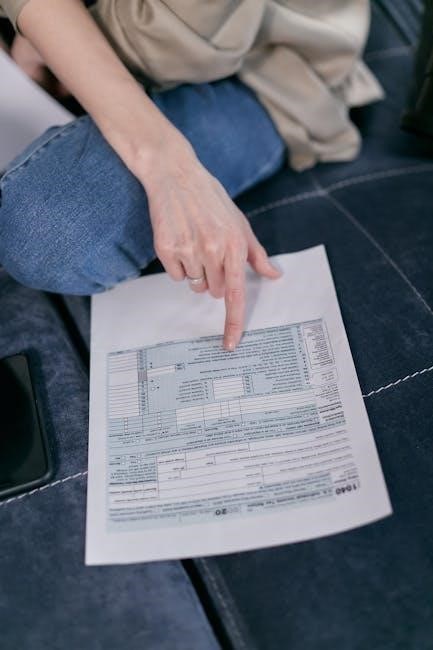
Housing Choice Voucher Program & Landlord Forms
HUD plays a vital role, utilizing HQS checklists during inspections. Inspectors document findings and provide final approval notes, ensuring properties meet program standards.
HUD’s Role in Tenancy Approval
The U.S. Department of Housing and Urban Development (HUD) is central to the Housing Choice Voucher Program, and consequently, plays a significant role in tenancy approval. HUD establishes the Housing Quality Standards (HQS) that all participating rental units must meet. These standards aren’t merely suggestions; they are requirements designed to ensure safe and sanitary housing for voucher holders.
HUD doesn’t directly approve tenancies, but rather empowers local Public Housing Authorities (PHAs) to do so, within the framework of HQS. The PHA utilizes detailed checklists, available through HUD.gov, during property inspections. These checklists guide inspectors in evaluating the property’s condition, covering areas like structural integrity, heating/cooling systems, plumbing, electrical safety, and lead-based paint hazards.
Ultimately, HUD’s influence ensures a baseline level of quality and habitability for voucher recipients, protecting both tenants and landlords by establishing clear expectations and guidelines throughout the tenancy approval process.
Housing Quality Standards (HQS) Checklists
Housing Quality Standards (HQS) checklists are vital tools for landlords and inspectors, providing a comprehensive overview of required property conditions. These checklists, readily available via HUD.gov, detail specific criteria across multiple areas, ensuring safe and sanitary housing for voucher holders. They aren’t simply a pass/fail assessment, but a detailed guide for evaluation.
The HQS checklists cover essential aspects like functional in-operable utilities, adequate heating and cooling, sound structural condition, and freedom from lead-based paint hazards. Inspectors meticulously document findings, noting deficiencies and required repairs. Landlords benefit from utilizing these checklists proactively, identifying and addressing potential issues before an official inspection.
The inspector’s notes, recorded alongside the checklist, provide crucial context and detail the final approval status of each item. Successful completion of the HQS inspection is a prerequisite for tenancy approval within the Housing Choice Voucher Program.
Inspector Notes and Final Approval
Detailed inspector notes are a critical component of the RFTA process, supplementing the Housing Quality Standards (HQS) checklist. These notes provide specific observations regarding property conditions, clarifying any deficiencies identified during the inspection. They offer landlords valuable insight into required repairs and ensure transparency throughout the evaluation.
Inspectors meticulously document findings, including the severity of issues and recommended corrective actions. These notes aren’t merely a list of problems; they represent a collaborative effort to ensure safe and habitable housing. Landlords have the opportunity to address concerns raised in the notes and demonstrate compliance with HQS.
Final approval is granted only after all identified deficiencies are adequately resolved and re-inspected, or a plan for remediation is accepted. The inspector’s final sign-off signifies that the property meets the necessary standards for voucher program participation.

Contacting Tenancy Services & Housing Authorities
Reach out via email or letter, based on preference. San Francisco’s Authority operates 8 AM-5 PM, Monday-Friday, at 1815 Egbert Avenue, CA 94124.
Confirmation of Bond Lodgement
Following tenancy approval, Tenancy Services diligently provides confirmation of bond lodgement. This crucial notification, delivered either via email or a traditional letter – respecting the tenant’s stated preference – contains vital details for both landlords and tenants. The confirmation comprehensively outlines specifics pertaining to the security deposit, ensuring transparency and accountability throughout the tenancy period.
Specifically, the confirmation will clearly state the assigned bond number, serving as a unique identifier for the deposit. For landlords, the confirmation includes their designated Landlord ID, facilitating efficient record-keeping and communication with the housing authority. Conversely, tenants will receive their individual Tenant Number, enabling them to easily track and manage their bond-related information.

This detailed confirmation serves as official documentation of the bond’s lodgement, providing peace of mind and a clear audit trail for all parties involved. It’s a critical component of the RFTA process, ensuring a smooth and legally compliant tenancy experience.
Contact Preferences (Email or Letter)
Tenancy Services prioritizes tenant convenience by offering flexible communication options. Recognizing diverse preferences, applicants can choose to receive important notifications, including bond lodgement confirmations and other critical updates, via either email or traditional postal mail. This personalized approach ensures that all parties remain informed throughout the Request for Tenancy Approval (RFTA) process.
The selected contact method is diligently recorded and consistently utilized for all subsequent correspondence. Tenants are encouraged to clearly indicate their preferred communication channel during the initial application stages to streamline the process and avoid potential delays. This proactive step guarantees timely receipt of essential information.
Choosing email offers speed and accessibility, while opting for a letter provides a tangible record. Regardless of the chosen method, Tenancy Services is committed to delivering clear, concise, and accurate information, fostering a transparent and collaborative landlord-tenant relationship. This commitment enhances the overall efficiency of the RFTA process.
San Francisco Housing Authority Contact Information

For inquiries regarding the Request for Tenancy Approval (RFTA) process in San Francisco, the Housing Authority provides multiple avenues for assistance. Dedicated Customer Care Team members are readily available to address questions and provide guidance to both landlords and tenants navigating the housing voucher program.
The Authority’s operational hours are Monday through Friday, from 8:00 AM to 5:00 PM. During these hours, you can reach them via phone or email for prompt support. Their commitment to accessibility ensures that assistance is readily available when needed.
Physical correspondence and general inquiries should be directed to: 1815 Egbert Avenue, San Francisco, California 94124. This central location serves as the hub for all administrative functions related to tenancy approvals and housing assistance programs. Further detailed information and specific phone numbers for various departments can be found on their official website, ensuring comprehensive support for all stakeholders.
Operating Hours (8 AM — 5 PM, Monday-Friday)
The San Francisco Housing Authority’s Tenancy Services team operates within specific hours to efficiently process Request for Tenancy Approval (RFTA) submissions and address landlord and tenant inquiries. These dedicated hours ensure consistent support throughout the workweek, facilitating a smooth and timely approval process.
Tenancy Services is fully operational from 8:00 AM to 5:00 PM, Monday through Friday. During these times, the Customer Care Team is available via phone and email to provide assistance with RFTA packets, Housing Quality Standards (HQS) checklists, and move-in inspection scheduling.
Outside of these hours, messages can be left, but response times may be delayed until the next business day. Prompt submission of complete RFTA packets within these operating hours is crucial to avoid processing delays and ensure a swift transition to the inspection phase. Timely communication is key to a successful tenancy approval.
Address: 1815 Egbert Avenue, San Francisco, CA 94124
The San Francisco Housing Authority’s central office, located at 1815 Egbert Avenue, serves as the primary hub for all Request for Tenancy Approval (RFTA) related correspondence and inquiries. This physical address is vital for landlords needing to submit documentation via mail or for those requiring in-person assistance with the Housing Choice Voucher Program.
While most RFTA submissions are now handled electronically, understanding the location of the Authority’s headquarters is essential for various processes, including bond lodgement confirmation and clarification on Housing Quality Standards (HQS) requirements.
Please note that direct RFTA packet drop-offs may not be accepted; always confirm submission procedures with Tenancy Services. Utilizing the provided contact information – phone and email – during operating hours (8 AM — 5 PM, Monday-Friday) is generally the most efficient method for addressing specific RFTA concerns.

Boston Housing Authority Specifics
For leased housing, ensure your owner’s lease meticulously includes all HUD-mandated provisions verbatim. Contact them at 617-988-4000 or fax to 617-988-4147.
Contact Phone Number: 617-988-4000
Reaching the Boston Housing Authority (BHA) for tenancy approval assistance is straightforward. Dial 617-988-4000 to connect with a representative who can address your specific questions regarding the Request for Tenancy Approval (RFTA) process. This dedicated line is your primary point of contact for clarifying requirements, understanding processing timelines, and resolving any issues encountered during submission.
Remember that the BHA aims to review RFTA packets within 24-48 hours of receipt, but incomplete submissions can cause significant delays, potentially leading to cancellation. When calling, be prepared to provide relevant details about the tenancy, including property address and tenant information. For faxed lease provisions – a critical component of the approval – utilize 617-988-4147. Ensure all required lease language is included word-for-word as stipulated by HUD guidelines to expedite the approval process. Proactive communication with the BHA can significantly streamline the RFTA experience.
Leased Housing Fax: 617-988-4147
The Leased Housing Fax line (617-988-4147) at the Boston Housing Authority is specifically for submitting crucial lease provisions. This method ensures secure and documented transmission of required documentation for tenancy approval. It’s vital that all lease clauses are included exactly as mandated by HUD – word-for-word replication is non-negotiable.
Failure to adhere to this strict requirement will undoubtedly delay the RFTA process, potentially leading to rejection. Before faxing, meticulously cross-reference your lease with the BHA’s provided guidelines. Confirm all necessary provisions are present and accurately transcribed. Remember, a complete and compliant fax submission significantly accelerates the approval timeline, allowing for a smoother transition to the move-in inspection phase (scheduled within 7 business days of RFTA approval). Utilizing this fax line efficiently demonstrates your commitment to a compliant tenancy and fosters a positive landlord-BHA relationship.
Lease Provisions: Word-for-Word Inclusion
Absolute adherence to word-for-word inclusion of mandated lease provisions is paramount for Boston Housing Authority (BHA) tenancy approval. This isn’t merely a suggestion; it’s a strict requirement. Any deviation, alteration, or paraphrasing will result in immediate rejection of the Request for Tenancy Approval (RFTA). The BHA relies on these specific clauses to ensure tenant protections and program compliance.
Landlords must meticulously compare their lease agreements against the BHA’s provided list of required provisions. Every sentence, phrase, and punctuation mark must match precisely. This meticulous approach safeguards against potential legal issues and ensures a streamlined approval process. Submitting a lease with even minor discrepancies will cause significant delays, potentially jeopardizing the tenancy. Prioritize accuracy and double-check your document before submission – a compliant lease is the cornerstone of a successful Housing Choice Voucher tenancy.

Key Considerations for Landlords
Landlords must understand inspection requirements and Housing Quality Standards (HQS) compliance. Accurate record-keeping is essential throughout the RFTA process and tenancy duration.
Understanding Inspection Requirements
Thorough preparation for inspections is vital for a smooth RFTA process. Inspectors utilize a Housing Quality Standards (HQS) checklist, providing landlords with a comprehensive overview of assessed areas. This checklist details specific criteria regarding safety, sanitation, and structural integrity of the property.
Landlords should proactively address potential issues identified within the HQS guidelines before the inspection. Common areas of focus include functional heating systems, adequate plumbing, safe electrical systems, and the absence of lead-based paint hazards. Inspectors will meticulously document findings, adding notes to the inspection form regarding any deficiencies.
Understanding that the inspector’s notes directly influence final approval is key. Addressing concerns promptly demonstrates a commitment to providing safe and habitable housing. The HQS inspection isn’t merely a pass/fail assessment; it’s a collaborative effort to ensure tenant well-being and program compliance. Familiarizing yourself with the HQS checklist beforehand will significantly streamline the inspection process.
Ensuring Compliance with HQS
Maintaining Housing Quality Standards (HQS) is paramount for landlords participating in the Housing Choice Voucher Program. Proactive compliance avoids delays in RFTA processing and ensures tenant safety. Regularly inspect your property, focusing on areas outlined in the HQS checklist – these cover everything from structural soundness to essential utilities;
Prioritize addressing deficiencies immediately. Issues like faulty wiring, leaking plumbing, or inadequate heating can lead to failed inspections. Document all repairs and maintenance performed, creating a clear record of your commitment to HQS. Remember, the inspection isn’t solely about identifying problems; it’s about demonstrating responsible property management.
Familiarize yourself with HUD’s specific HQS guidelines. These standards are designed to provide safe, sanitary, and adequate housing for voucher holders. Consistent adherence to HQS not only facilitates RFTA approval but also fosters positive landlord-tenant relationships and contributes to a thriving housing market.
Maintaining Accurate Records
Diligent record-keeping is essential throughout the Request for Tenancy Approval (RFTA) process and beyond. Landlords should meticulously document all communication with the Housing Authority, including submission dates for the RFTA packet and any subsequent correspondence. Keep copies of all forms submitted, including the RFTA itself, the HQS checklist, and any inspection reports.
Detailed records of property maintenance and repairs are crucial. This includes dates of service, descriptions of work performed, and associated costs. Such documentation can be invaluable if questions arise regarding HQS compliance or inspection findings. Accurate lease agreements, including word-for-word lease provisions as required by some authorities like the Boston Housing Authority, are also vital.
Organized records streamline the process and demonstrate professionalism. Maintaining a dedicated file – physical or digital – for each tenancy ensures easy access to important information when needed. This proactive approach facilitates smooth RFTA processing and strengthens your standing with housing authorities.